Rope Access vs Scaffolding: Cost, Downtime & Safety for Industrial Sites
The decision between rope access vs scaffolding is rarely just about access. For industrial project managers, it is a decision that quietly determines whether a project stays on schedule, whether a shutdown runs long, and whether safety approvals move smoothly or become a bottleneck. Yet access planning is often treated as an afterthought, defaulting to scaffolding simply because it feels familiar.
In reality, access methods shape cost, downtime, safety exposure, and coordination complexity. Understanding how rope access and scaffolding differ in real industrial conditions, not theoretical ones, can help project managers make decisions that protect both schedules and reputations.
How Rope Access vs Scaffolding Differ in Practice
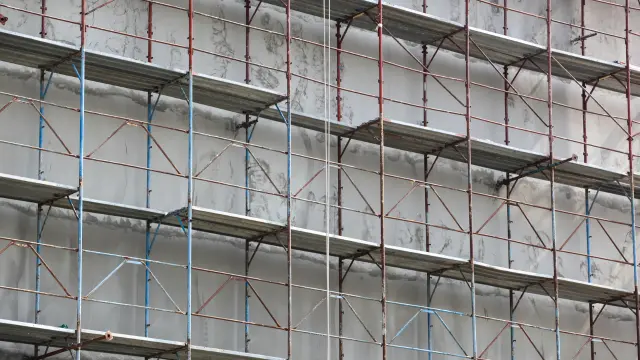
Scaffolding has long been the standard approach on industrial sites. It provides a physical platform that allows crews to work with tools and materials at height. However, what is often overlooked is the amount of work required before any productive task can begin. Scaffolding must be engineered, transported, erected, inspected, modified as scopes change, and eventually dismantled. Each of those steps consumes time and introduces additional coordination and safety exposure.
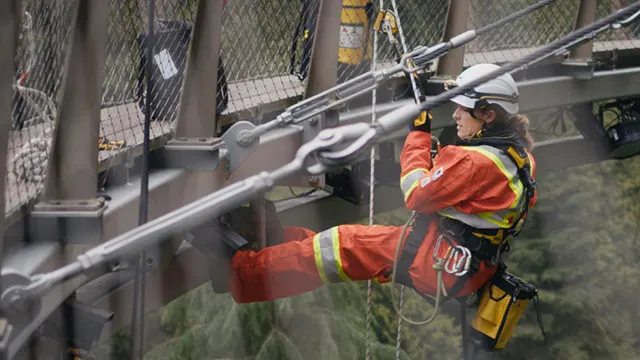
Industrial rope access works differently. Certified rope access technicians use redundant rope systems to reach work areas directly. The setup is fast, the footprint is small, and access can often be established the same day crews mobilize. Instead of building access first and then starting work, rope access allows work to begin almost immediately.
This difference becomes critical on industrial projects where time is limited and access windows are tight. The faster work can start, the less pressure there is on the rest of the schedule.
The Real Cost Question: Rope Access vs Scaffolding
When comparing rope access vs scaffolding, cost discussions often start in the wrong place. Hourly labor rates or daily crew costs rarely tell the full story. What matters to a project manager is total project cost, not just the price of access itself.
Scaffolding carries hidden costs that accumulate quickly. Engineering, erection, and dismantling can consume days or even weeks on complex sites. During that time, other work is often delayed or forced to work around incomplete access. Larger crews are required, and each additional worker increases both cost and safety exposure.
The cost of rope access is structured differently. Rope access technicians are highly trained and certified, which can make individual labor rates appear higher. However, far fewer people are required, and the time spent setting up access is dramatically reduced. When projects are evaluated based on total duration and manpower rather than line-item rates, rope access frequently results in a lower overall cost.
For industrial project managers, the key question is not which method is cheaper per hour, but which one allows the work to be completed faster and with fewer disruptions.
Downtime: The Hidden Driver Behind Most Access Decisions
Downtime is often the most expensive aspect of industrial maintenance and repair, even when it is not clearly visible in the budget. Production losses, delayed commissioning, and extended shutdowns can quickly outweigh the direct cost of access.
Scaffolding tends to extend downtime because work cannot begin until access is fully erected. If the scope changes, additional time may be required to modify the scaffold. In short shutdown windows, scaffolding alone can consume most of the available time.
Rope access is particularly effective in environments where downtime must be minimized. Because access can be established quickly and adjusted easily, rope access teams can work within short windows, overnight shifts, or during off-hours. This flexibility allows maintenance and inspection work to proceed without extending shutdowns or interrupting live operations.
For project managers responsible for keeping assets running, this ability to reduce shutdown downtime is often the deciding factor.
Safety in Context: Perception vs Reality
Safety is a non-negotiable priority on industrial sites, and perceptions around safety often influence access decisions. Scaffolding is sometimes assumed to be safer simply because it feels more solid. In practice, safety outcomes depend far more on systems, training, and exposure than on how access looks.
Industrial rope access is governed by strict international standards, including IRATA certification. These systems are built around redundancy, continuous attachment, and integrated rescue capability. Every rope access job includes a rescue plan executed by trained personnel already on site.
Scaffolding introduces different risks. The erection and dismantling phases expose large crews to working at height. More people at height increases the potential for incidents, dropped objects, and coordination errors. Each additional interface between trades adds complexity to safety management.
From a project manager’s perspective, safety is also about approvals, audits, and confidence. Rope access simplifies this by combining access, execution, and rescue into one controlled system, reducing the number of variables that must be managed.
Why Experience Matters More Than the Method
One of the most important factors in the rope access vs scaffolding decision is often overlooked: contractor experience. Industrial rope access is not the same as building maintenance or façade work. It requires an understanding of industrial environments, live operations, and coordination with multiple stakeholders.
Experienced industrial rope access teams plan work around operational constraints, communicate clearly with other trades, and anticipate safety and scheduling challenges before they become problems. Inexperienced teams, regardless of access method, introduce risk.
For project managers, this matters because accountability ultimately rests with them. Choosing an access method without considering execution experience can lead to delays, safety concerns, and unwanted scrutiny.
When Scaffolding Still Makes Sense
There are situations where scaffolding remains the right choice. Long-duration projects that require continuous access over large areas may benefit from permanent platforms. Repetitive work performed over months can justify the upfront investment in scaffolding.
However, for inspections, targeted repairs, coatings touch-ups, and work performed under tight schedules or in live environments, rope access often provides a more efficient and lower-risk solution.
The decision should be based on scope duration, schedule pressure, and operational sensitivity rather than habit or tradition.
Making the Right Decision as a Project Manager
Ultimately, the rope access vs scaffolding decision should be evaluated through a practical lens. How quickly can work begin? How much downtime does access alone introduce? Who owns rescue and compliance? How flexible is the plan if conditions change?
When these questions are answered honestly, the most effective access method usually becomes clear. If you’d like help evaluating rope access versus scaffolding for your specific site, contact our team to talk through scope, risk, and schedule before work begins.
Access Is a Strategic Choice
The choice between rope access vs scaffolding is not just about getting people to work areas. It is a strategic project decision that affects cost control, downtime, safety confidence, and professional credibility.
For industrial project managers operating under pressure, rope access offers a proven way to reduce disruption, protect schedules, and execute work safely when margins for error are small. When planned early and delivered by experienced industrial teams, it is not an alternative, it is often the smarter first option.