How AMPP Coating Inspections Work (And Why They Prevent Corrosion Failures)
Corrosion rarely starts with a dramatic failure. In most industrial environments, it begins quietly—beneath coatings that appear intact, inside areas that are hard to access, or in conditions that are easy to overlook when schedules are tight. By the time corrosion becomes visible, the opportunity for low-cost intervention has usually passed. This is why corrosion inspection is not a reactive task, but a preventive one.
At its core, corrosion happens when metal reacts with its surrounding environment. Moisture, oxygen, salts, industrial chemicals, and temperature changes combine to create electrochemical reactions that slowly degrade steel and other metals. Protective coatings are designed to interrupt that process, but coatings only work when they are properly selected, applied, and verified. Without inspection, corrosion is not prevented—it is merely delayed until failure becomes unavoidable.
This is where structured inspection under recognized standards becomes one of the most effective tools project managers have for controlling long-term asset risk.
What Corrosion Inspection Really Means on an Industrial Site
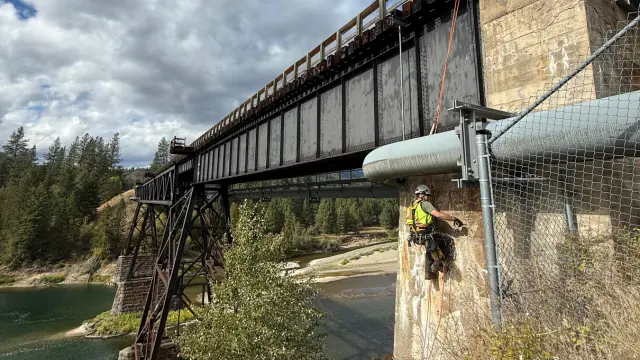
Corrosion inspection is often misunderstood as a visual check performed after coating work is complete. In practice, that approach catches problems too late. Effective corrosion inspection is a continuous process that begins before surface preparation starts and continues through application and curing.
On an industrial site, corrosion inspection connects technical execution with decision-making. It verifies that surfaces are properly prepared for the environment they will be exposed to, that coatings are applied under suitable conditions, and that the finished system meets performance requirements, not just aesthetic ones. For project managers, corrosion inspection provides assurance that today’s work will not become tomorrow’s failure.
Rather than focusing on what looks acceptable at the end of a shift, corrosion inspection focuses on whether the conditions that cause corrosion have been adequately controlled throughout the work.
How AMPP-Based Corrosion Inspection Works in Practice
In real-world industrial projects, inspection unfolds alongside the work itself. It begins with an assessment of existing conditions, identifying contamination, deterioration, or environmental factors that could compromise coating performance. Surface preparation is then reviewed to confirm that the substrate is suitable for coating adhesion and long-term protection.
During coating application, inspectors focus on conditions that directly influence performance. Temperature, humidity, surface cleanliness, and application technique all affect how a coating cures and bonds. These variables cannot be corrected after the fact, which is why inspection during execution is often more critical than final approval.
After application, corrosion inspection confirms that the protective system meets specified thickness, continuity, and coverage requirements. At this stage, verification ensures that the intended corrosion protection system has actually been achieved—not merely applied.
This structured approach aligns with standards published by AMPP, which exist to remove subjectivity from coating evaluation and failure analysis.
Learn more about AMPP standards at: https://www.ampp.org
Why Corrosion Failures Usually Start Before Damage Is Visible
One of the most costly misconceptions in asset maintenance is the belief that corrosion is obvious when it begins. In reality, deterioration often develops beneath coatings that still appear intact. Microscopic failures in surface preparation, coating thickness, or curing conditions allow moisture and contaminants to reach the substrate long before rust appears.
When inspection is incomplete or rushed, these early warning signs go undocumented. The coating may pass a visual review, but its protective function has already been compromised. Months or years later, blistering, delamination, or structural degradation emerges, often during operations when repair is most disruptive.
From a project management perspective, this is where accountability becomes uncomfortable. Failures are rarely attributed to a single decision, but they almost always trace back to missed inspection steps or undocumented conditions during execution.
Inspection as a Risk-Control Tool for Project Managers
For project managers, inspection is not just about technical compliance—it is about managing long-term risk. Proper inspection reduces uncertainty around asset performance, limits the likelihood of rework, and protects budgets from unplanned rehabilitation.
Inspection also plays a critical role in coordination. When requirements are clearly defined and enforced, expectations between owners, contractors, and inspectors are aligned. This reduces disputes and prevents last-minute compromises when schedules are under pressure.
Perhaps most importantly, inspection shifts risk away from individuals and toward documented process. When carried out under recognized standards, decisions are supported by data rather than judgment alone.
Environmental Factors That Increase Corrosion Risk in British Columbia and Alberta
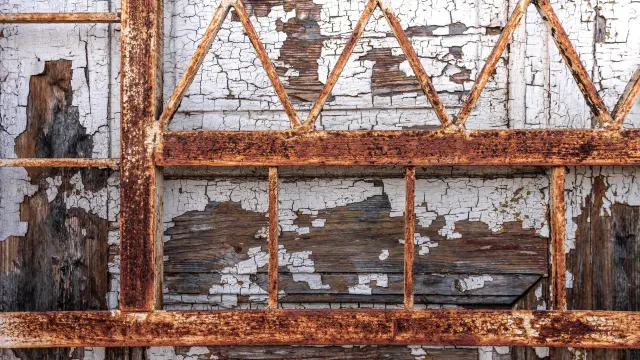
In regions such as British Columbia and Alberta, environmental exposure significantly increases corrosion risk. Coastal salt exposure, high humidity, freeze-thaw cycles, and industrial emissions accelerate degradation mechanisms and place greater demands on protective coating systems.
In these environments, inspection becomes even more critical. Small deviations in surface preparation or application conditions can dramatically shorten coating life. Verification under AMPP-aligned practices helps ensure that coatings are suited not only to the asset, but also to the environment in which it operates.
For projects in Western Canada, inspection quality is often the difference between coatings that last as intended and coatings that fail years ahead of schedule.
When Inspection Matters Most in the Project Lifecycle
While inspection adds value at every stage, its impact is greatest during initial construction, maintenance shutdowns, and rehabilitation work. These phases determine the baseline condition of assets and establish how effectively corrosion will be controlled over time.
Early inspection prevents defects from being built into the system. During shutdowns, it ensures that limited access windows are used effectively. During rehabilitation, it confirms that repairs address root causes rather than symptoms.
In each case, inspection supports informed decision-making rather than reactive correction.
Corrosion Inspection Is About Prevention, Not Paperwork
Corrosion inspection is often viewed as a compliance requirement, but its real value lies in prevention. By identifying and controlling the conditions that cause corrosion before damage occurs, inspection protects asset life, project budgets, and professional credibility.
When guided by AMPP standards, inspection becomes a structured, defensible process rather than a subjective opinion. For project managers responsible for long-term performance, it offers control in an environment where failure is often discovered too late to avoid.
Corrosion does not fail suddenly. Inspection exists to ensure it never has the chance to start.
For complex or high-risk assets, this work is often supported by specialized rope access inspection and coating teams experienced in live industrial environments.